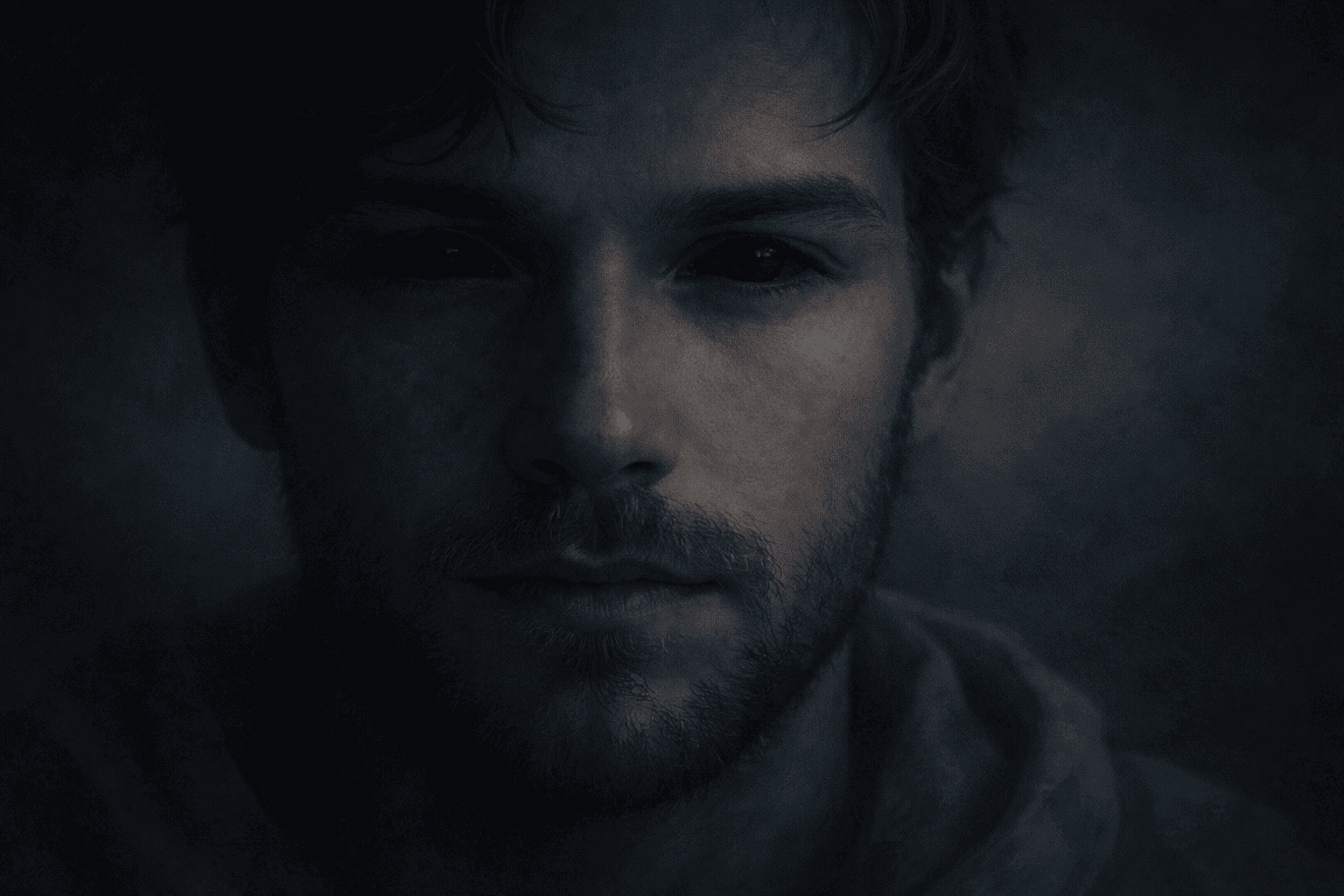
Dreams can feel confusing. Some feel calm. Others feel heavy and unsettled. Seeing black eyes in a dream often leaves people worried, shaken, or afraid to sleep again. Many ask the same questions. Is God warning me? Is the situation spiritual? Did I do something wrong?
This article offers a biblically grounded, calm, and practical explanation of the biblical meaning of black eyes in dreams. It does not jump to fear. It does not force one answer. Instead, it helps you understand symbolism, test meaning with Scripture, and respond with wisdom and peace.
You will learn:
- What black eyes may symbolize in the Bible
- The difference between a bruised black eye and a fully blackened eye
- How Scripture talks about eyes, light, and darkness
- What to do after a disturbing dream
- When to seek spiritual or practical help
This guide is written in simple language, with care for faith and emotional well-being.

Book About Dreams
Dreams:
The Magic of the Night
By Kenneth K. Gray
This book is perfect for anyone seeking to understand the messages and meanings hidden in their dream life. It offers a clear framework for interpreting dreams with real examples and thoughtful insights, making each chapter both personal and enlightening.
- Based on personal dream journals
- Step-by-step interpretations
- Perfect for dream seekers & learners
Do dreams have meaning in the Bible?
The Bible shows that God can speak through dreams, but it also teaches wisdom and discernment. Not every dream comes from God. Some dreams come from stress, fear, or daily thoughts.
Scripture shows three sources of dreams:
- God’s guidance
- Human thoughts and emotions
- Distress, fear, or physical exhaustion
The Bible encourages believers to test and discern, not panic. A dream that leads to truth, peace, and right action aligns with God’s character. A dream that leads only to fear and confusion needs careful handling.
Why eyes matter in biblical symbolism
In Scripture, eyes often represent perception, focus, and the condition of the heart. Eyes are not just about seeing. They point to awareness and spiritual understanding.
Jesus said that the eye is like a lamp. If the eye is healthy, the body is full of light. If the eye is unhealthy, darkness follows. This teaching connects vision with inner life and moral direction.
Other verses show that:
- God sees everything
- God watches over people
- Spiritual understanding comes through the heart’s eyes
Because of this, dreams involving eyes often convey truth, awareness, or a lack of clarity.
First step: identify what kind of “black eyes” you saw
Before interpreting it, it is essential to identify what the dream reveals. Many articles confuse two very different images.
1. A bruised black eye
This looks like an injury. Swelling, discoloration, or pain around the eye.
This often points to:
- Conflict
- Emotional hurt
- Shame or embarrassment
- Feeling attacked by words or actions
- Consequences of anger or pride
This type of dream often reflects real-life wounds, not spiritual forces.
2. Completely black eyes
The entire eye appears black. No white. No pupil.
This often feels unsettling or unnatural.
This image often connects to:
- Fear or anxiety
- Deception or hidden motives
- Feeling watched or unsafe
- Loss of trust
- Moral or spiritual darkness in a situation
These two dream types should not be treated the same way.
Biblical meanings linked to black eyes in dreams
Dream interpretation in Scripture is never one-size-fits-all. Context matters. Emotions matter. Life circumstances matter. Below are possible meanings, not fixed verdicts.
1. Spiritual blindness or loss of clarity
Black eyes can symbolize difficulty seeing the truth. This may point to ignoring wisdom, avoiding correction, or walking in confusion.
In the Bible, darkness often represents separation from truth. A dream like this can be a call to slow down and seek clarity through prayer and Scripture.
Ask yourself:
- Am I ignoring something I know is right?
- Am I rushing a decision without wisdom?
2. Deception or warning about trust
If the black-eyed person in the dream felt dishonest, manipulative, or false, the dream may reflect discernment about people or situations.
This does not mean the person is evil. It may mean:
- Something is hidden
- Motives are unclear
- Trust should be earned slowly
Biblical wisdom supports caution without fear.
3. Fear that needs to be faced
Many dreams reflect fear already present in waking life. Stress, unresolved tension, or exhaustion can shape dream images.
Dreams often grow stronger during deep sleep cycles. Vivid or frightening dreams are common during times of pressure.
In this case, the dream points inward, not outward.
Ask:
- What fear has been heavy lately?
- What am I avoiding during the day?
4. Inner guilt, shame, or unresolved conflict
A bruised black eye can symbolize emotional injury. You may feel blamed, accused, or wounded.
This can connect to:
- Unspoken regret
- Harsh words spoken or received
- Broken relationships
Biblical teaching encourages repentance, forgiveness, and reconciliation when possible.
5. A call to guard your focus
Eyes represent focus. If your dreams are dark, ask what you are filling your mind with.
Constant exposure to violent media, conflict, or fear-based content can influence dreams. This is a wisdom issue, not a spiritual failure.
Guarding the mind protects peace.
6. Spiritual distress, handled with balance
Some believers see black eyes as signs of spiritual oppression. If this idea comes to mind, it must be handled carefully.
Biblical response is calm:
- Prayer
- Scripture
- Trust in God’s protection
- Seeking wise counsel
Fear alone is not proof of spiritual attack. God’s presence brings stability.
A simple biblical discernment checklist
Use this checklist to process your dream wisely.
Step 1: Identify the emotion
What did you feel in the dream?
- Fear
- Shame
- Anger
- Warning
- Confusion
- Sadness
Strong fear does not mean the dream is spiritual. It means the emotion needs attention.
Step 2: Examine the fruit
Ask what the dream produced after waking.
- Did it lead you to pray?
- Did it bring clarity?
- Did it cause panic and confusion?
God’s guidance leads to peace and truth, even when correction is needed.
Step 3: Look at real-life connections
Dreams often reflect life events.
- Conflict
- Stress
- Exhaustion
- Temptation
- Relationship tension
The meaning is often closer than it feels.
Step 4: Test with Scripture
Scripture brings balance and light. Focus on passages about:
- Light and darkness
- God’s watchful care
- Inner understanding
Dreams that contradict Scripture should not guide decisions.
Step 5: Seek counsel if it repeats
Recurring nightmares can signal deeper emotional or spiritual strain. Support is wisdom, not weakness.
Facts and Research That Help Explain Disturbing Dreams
While Scripture remains the foundation for spiritual discernment, modern research helps explain why some dreams feel intense, unsettling, or emotionally heavy. Understanding these facts can bring balance and reassurance.
Dreams and Emotional Stress
Research consistently shows that emotional stress strongly influences dream content.
A study published in the journal Sleep Medicine Reviews found that stress and anxiety significantly increase the likelihood of vivid or disturbing dreams, especially during rapid eye movement (REM) sleep. During stressful periods, the brain processes unresolved emotions through dream imagery rather than logic.
Source:
Sleep Medicine Reviews, Elsevier
https://www.sciencedirect.com/journal/sleep-medicine-reviews
Nightmares Are Common, Especially During Stressful Seasons
According to the American Academy of Sleep Medicine, up to 85 percent of adults report having at least one nightmare each year, and about 5 percent experience frequent nightmares. These numbers rise during times of emotional strain, trauma, or exhaustion.
This supports the biblical principle that not every troubling dream is spiritual in origin. Many are part of the mind’s natural processing system.
Source:
American Academy of Sleep Medicine
https://aasm.org
REM Sleep and Vivid Dream Imagery
The National Institute of Neurological Disorders and Stroke explains that the most emotionally vivid dreams occur during REM sleep, when brain activity increases, and emotional centers become more active. This is why dream images can feel extremely real or disturbing even after waking.
Source:
National Institute of Neurological Disorders and Stroke (NINDS)
https://www.ninds.nih.gov
Trauma and Repeating Dreams
The American Psychological Association reports that recurrent dreams and nightmares are common responses to unresolved stress or trauma, even when the trauma is emotional rather than physical. These dreams often symbolize fear, loss of control, or vulnerability rather than predicting future events.
Source:
American Psychological Association
https://www.apa.org
Faith and Mental Health Together
A 2020 Pew Research Center study found that over 55 percent of religious adults say their faith helps them cope with stress and emotional difficulty. Prayer, reflection, and Scripture reading were identified as stabilizing practices during times of fear or confusion.
This aligns with biblical wisdom, which encourages seeking peace, understanding, and counsel rather than reacting in fear.
Source:
Pew Research Center
https://www.pewresearch.org
What to do after dreaming about black eyes
Pray simply
You do not need special words.
A simple prayer:
“God, give me truth and peace. Show me what I need to understand. Guard my heart and mind as I rest.”
Write it down
Journaling helps reveal patterns. Write:
- What you saw
- Who was present
- How you felt
- What does it remind you of
Clarity grows with reflection.
Improve sleep habits
Dreams respond to physical health.
- Avoid frightening content before bed
- Keep a steady sleep schedule
- Read Scripture or pray before sleep
Healthy rest supports calm dreams.
Repair what needs repair
If the dream points to conflict or guilt, consider:
- Apologizing
- Setting boundaries
- Forgiving someone
- Asking for forgiveness
Peace grows through action.
When to seek extra help
You should seek support if:
- Nightmares repeat often
- Sleep becomes difficult
- Fear follows you into the day
- Trauma memories surface
- Anxiety increases
Support may come from:
- A pastor
- A Christian counselor
- A licensed therapist
- A trusted mentor
Seeking help honors wisdom.
Frequently Asked Questions
Is dreaming about black eyes always a bad sign?
No. Dreams reflect many things, including stress, emotions, and life events. Meaning depends on context.
Are black eyes in dreams a sign of evil spirits?
Not always. Scripture encourages discernment, not fear. Many dreams come from natural causes.
What does a bruised black eye mean in a dream?
It often reflects emotional hurt, conflict, shame, or feeling attacked by words or actions.
What if the dream felt very real?
Dreams can feel vivid, especially during deep sleep. Strong emotion does not equal spiritual danger.
Should I fast or take special action after this dream?
Simple prayer, reflection, and wisdom are enough unless Scripture and counsel confirm otherwise.
Final encouragement and next step
Dreams can feel powerful, but they do not control your life. Scripture, wisdom, and peace guide believers, not fear.
If you want help processing your dream, you can:
- Reflect using the checklist above
- Share your experience with a trusted spiritual guide
- Leave a comment or journal entry describing what stood out most
Clarity grows when faith and wisdom walk together.