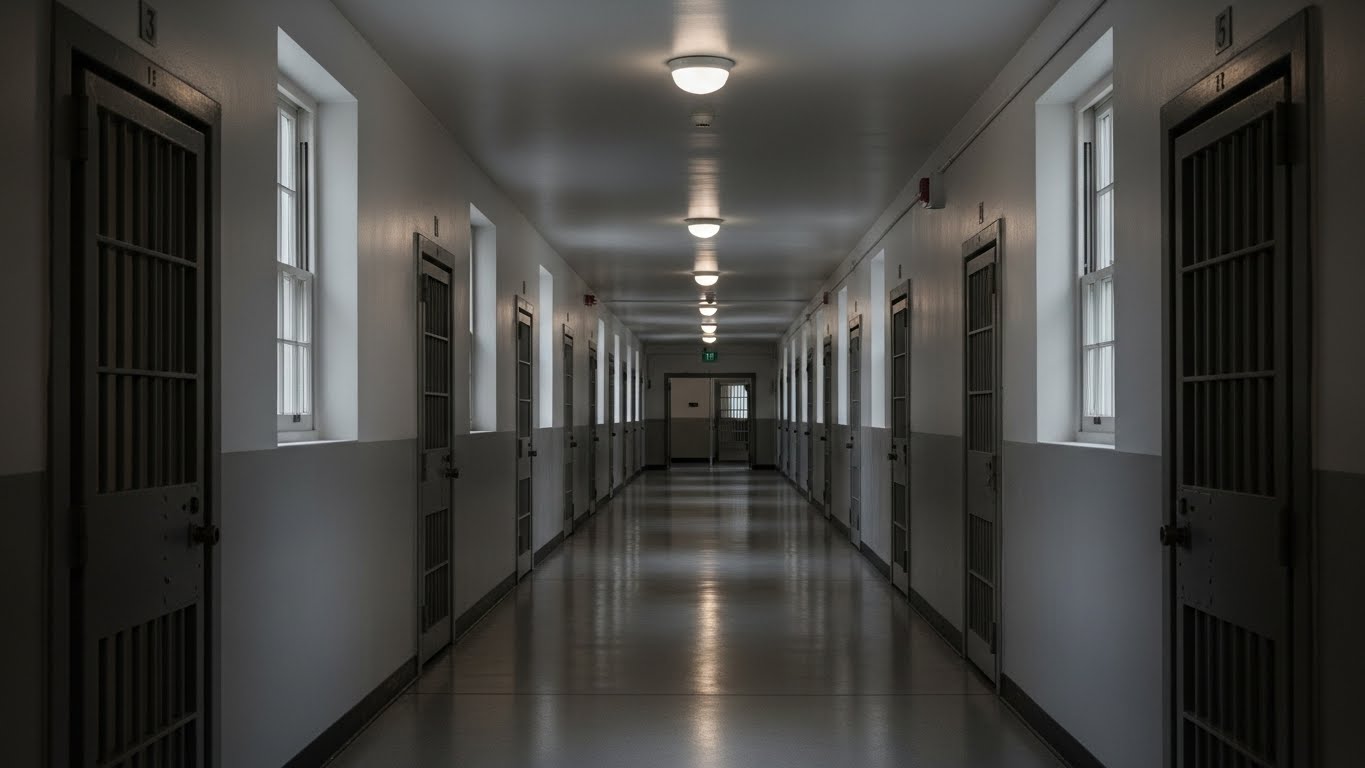
Dreams involving jail or prison often leave a lasting impression. They can feel unsettling, heavy, and difficult to ignore. A dream about going to jail commonly raises questions about guilt, fear, control, and personal responsibility. Many people worry that such dreams predict real danger or moral failure. In most cases, they do not.
Instead, these dreams reflect internal states. They gently reveal how the mind and spirit respond to pressure, stress, and unresolved emotions. In keeping with the thoughtful, reflective approach found throughout Kenneth Gray’s writing, this article offers a calm, grounded explanation of what dreams about going to jail may signify, why they occur, and how they can be understood with patience, wisdom, and personal reflection rather than fear.

Book About Dreams
Dreams:
The Magic of the Night
By Kenneth K. Gray
This book is perfect for anyone seeking to understand the messages and meanings hidden in their dream life. It offers a clear framework for interpreting dreams with real examples and thoughtful insights, making each chapter both personal and enlightening.
- Based on personal dream journals
- Step-by-step interpretations
- Perfect for dream seekers & learners
Understanding the Core Meaning of Jail Dreams
At a basic level, jail in dreams represents restriction. It signals areas in life where freedom feels limited, choices feel constrained, or responsibility feels overwhelming.
Unlike literal interpretations, dream symbols operate through emotion and association. Jail is one of the strongest symbols the brain uses to express loss of control, self-judgment, or fear of consequences.
In dream psychology, confinement imagery often appears when a person feels trapped mentally, emotionally, or socially.
Primary Emotional Themes Behind Dreams of Going to Jail
Loss of Freedom and Autonomy
One of the most common meanings of a jail dream involves reduced freedom.
This may relate to:
- Work environments with rigid expectations
- Family roles that limit personal choice
- Financial pressure that restricts options
- Long-term commitments that feel heavy
When daily life offers little room for flexibility, the mind often expresses this through images of confinement.
Guilt and Self-Accountability
Many people report jail dreams during periods of guilt or regret. This does not require wrongdoing. Emotional guilt alone can activate punishment imagery.
Common sources include:
- Regret over a past decision
- Feeling responsible for someone else’s pain
- Holding oneself to unrealistic standards
Psychological studies show that guilt activates the same stress responses as external threat. During sleep, the mind may translate this stress into incarceration symbols.
Fear of Judgment or Exposure
A jail dream may reflect anxiety about being judged.
This is common when someone fears:
- Public failure
- Professional consequences
- Social rejection
- Being misunderstood
The dream represents fear of scrutiny rather than actual wrongdoing.
Psychological Perspective on Jail Dreams
From a clinical viewpoint, dreams are part of emotional regulation. According to research published in Frontiers in Psychology, dreams help the brain process unresolved emotional experiences.
Stress and Cognitive Load
High stress levels are associated with increased vivid dream activity. During periods of prolonged stress, the brain relies on strong imagery to process emotional overload.
Jail serves this role well. It is visually simple and emotionally intense.
Internal Conflict and Moral Tension
Jail dreams often arise during moments of internal conflict. This occurs when values clash with actions or expectations.
For example:
- Wanting independence while needing security
- Wanting honesty while fearing consequences
- Wanting change while remaining in place
The dream reflects tension rather than failure.
Spiritual and Symbolic Interpretations
In spiritual frameworks, jail dreams are often interpreted as signals for reflection. They are viewed as messages to examine personal alignment rather than warnings of harm.
Symbolically, jail may represent:
- A call to examine personal boundaries
- A reminder to address unresolved obligations
- A prompt to realign choices with values
Across many belief systems, the focus remains on growth and awareness.
Why Jail Dreams Repeat
Recurring jail dreams deserve attention. Repetition suggests that the underlying issue remains unresolved.
Common causes include:
- Long-term emotional suppression
- Ongoing stress without release
- Avoided conversations or decisions
- Persistent self-criticism
A study on recurring dreams found that the frequency of repetition decreases once emotional conflicts are consciously addressed. When the waking issue resolves, the dream often stops.
Common Jail Dream Scenarios and Interpretations
Being Arrested Without Committing a Crime
This often reflects misplaced guilt or fear of unfair judgment. It may indicate pressure from external expectations.
Being Locked in a Cell Alone
This suggests emotional isolation. The dreamer may feel unheard, unsupported, or disconnected.
Attempting to Escape Jail
Escape dreams point to readiness for change. They reflect a desire to regain control or move forward.
Seeing Someone Else in Jail
This may represent concern for another person or a projection. The dreamer may perceive someone close as trapped or struggling.
What Jail Dreams Do Not Indicate
It is important to correct common misconceptions.
A dream about going to jail does not mean:
- Criminal behavior is imminent
- Punishment is coming
- Moral failure has occurred
Dreams reflect emotional processing, not predictions.
Practical Steps After Experiencing a Jail Dream
Step 1: Identify the Dominant Emotion
Focus on the strongest feeling upon waking. Fear, shame, anger, or frustration each point to different sources.
Step 2: Examine Areas of Restriction
Consider where life feels limited. This often reveals the meaning more clearly than the dream itself.
Step 3: Reduce Internal Criticism
Many jail dreams stem from harsh self-judgment. Replacing blame with reflection reduces emotional pressure.
Life Situations Commonly Linked to Jail Dreams
Jail dreams frequently appear during:
- Career transitions
- Relationship strain
- Parenting challenges
- Ethical dilemmas
- Major responsibility shifts
These moments increase emotional load and trigger confinement imagery during sleep.
Why the Brain Uses Jail as a Symbol
Neuroscience research shows the brain favors clear visual metaphors. Jail provides an immediate representation of restriction, accountability, and loss of control.
Because the image is universally understood, it allows the brain to process complex emotions efficiently during sleep.
Frequently Asked Questions
Is dreaming about going to jail a negative sign?
No. It reflects emotional stress or internal pressure rather than danger.
Why does this dream feel so real?
Stress increases dream vividness and emotional intensity.
Can anxiety cause jail dreams?
Yes. Anxiety commonly produces confinement-related dream imagery.
Are jail dreams linked to conscience or morality?
They often relate to personal standards rather than actual wrongdoing.
How can recurring jail dreams be reduced?
Addressing the waking-life stress or guilt connected to the dream usually helps.
Conclusion: What This Dream Is Communicating
A dream about going to jail is not a sentence. It is a signal. It reflects pressure, responsibility, or emotional restraint that deserves attention.
By approaching the dream with clarity rather than fear, it becomes a useful source of insight. Understanding its message often leads to relief, resolution, and improved emotional balance.
Call to Action
If you have experienced recurring or emotionally intense dreams, consider keeping a short dream journal. Writing patterns over time helps reveal emotional triggers and recurring themes. You are also welcome to share your experience or insights in the comments to support others seeking understanding.
Dreams speak through symbols. Awareness turns them into guidance.