

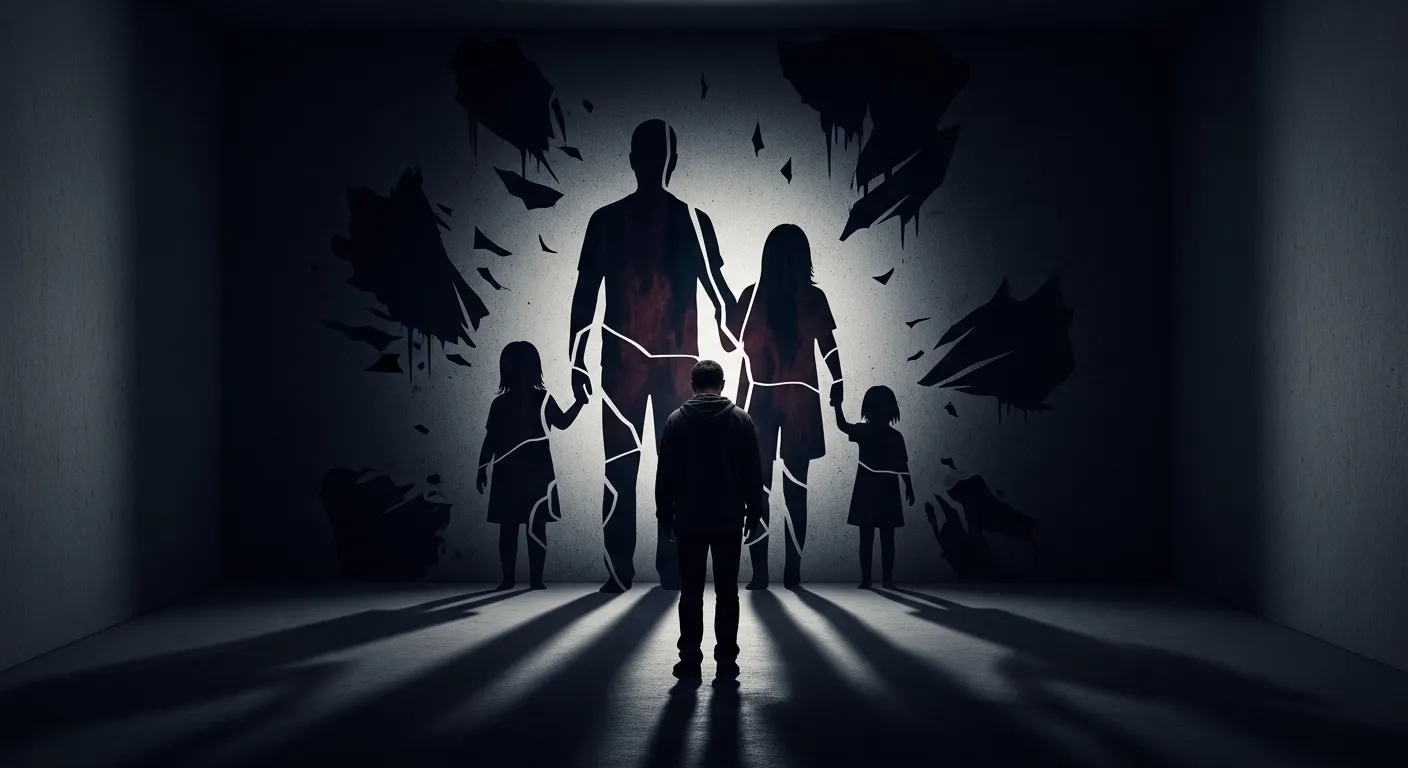
Introduction:
Have you ever woken up from a dream where you were angry with a family member? You might have found yourself in an argument or even yelling at someone close to you. The emotions felt so real, it left you wondering: What does it all mean?
Dreams about being angry with family members are more common than you might think, and they often carry deeper significance. These dreams may not be random; they could be revealing unresolved emotions, family dynamics, or internal conflicts that you haven’t fully addressed.
In this post, we’re diving deep into the meaning behind dreams about being angry with family. We’ll explore the psychological, emotional, and even spiritual reasons behind these intense dreams, and give you practical tips for uncovering their true significance. Let’s decode these dreams and discover how they can become opportunities for personal growth and healing.

Book About Dreams
The Magic of the Night
This book is perfect for anyone seeking to understand the messages and meanings hidden in their dream life. It offers a clear framework for interpreting dreams with real examples and thoughtful insights.
Get the Book- Based on personal dream journals
- Step-by-step interpretations
- Perfect for dream seekers
Why Do We Dream About Being Angry with Family?
The Root of Anger in Dreams
Dreaming about anger, especially involving family members, is more common than you might think. When emotions like anger appear in our dreams, it’s usually a signal that something deeper is at play. It could be that you are harboring unspoken frustrations or conflicting feelings about a family member or a situation. Have you had recent disagreements or unresolved tensions that might have gone unnoticed? Often, these lingering emotions can manifest in our dreams as arguments, fights, or moments of intense frustration.
Anger in dreams is rarely about the family members themselves. More often than not, it’s about what they represent. These dreams might be pointing to internal conflicts, stress from life situations, or even a desire for change in how you express your emotions. The people you dream about might simply be symbols of larger themes in your life, like control, boundaries, or expectations.
Emotional Bottlenecks: What’s Holding You Back?
Anger in a dream can often be a sign that you’re not fully expressing your emotions in your waking life. Think about the last time you truly felt heard or understood by the people closest to you. Were there things you didn’t say because you were afraid of rocking the boat? Dreams of anger could be your subconscious’s way of telling you: It’s time to speak up.
The Deeper Message: What These Dreams Can Teach Us
Anger as a Sign of Emotional Health
While anger is often seen as a negative emotion, it can actually be a powerful signal for self-awareness and emotional growth. Suppressed anger or unresolved conflicts can accumulate over time, leading to feelings of frustration, helplessness, or even resentment. These feelings might have been building for years, but because they weren’t addressed, they show up in your dreams as vivid, intense battles.
In some cases, dreams about anger can reveal emotional blocks that need attention. These emotional roadblocks could be anything from past grievances to feelings of unfair treatment or misunderstandings within your family dynamic. The key here is to acknowledge these emotions instead of ignoring them. Anger, when processed properly, can be a powerful motivator for change, both internally and in your relationships.
A Call for Healing: How to Address Unresolved Conflict
It’s time to take action and not just analyze your dream. If these dreams keep resurfacing, it might be a sign that unresolved conflict or unexpressed emotions are affecting your well-being. Instead of dismissing the dream, use it as an opportunity to explore what’s beneath the surface. Are you avoiding difficult conversations with your family members? Are there old wounds that still need healing?
How to Interpret and Address Family Anger in Dreams
1. Keep a Dream Journal
One of the best tools for understanding your dreams is simply writing them down. Start keeping a journal and note every dream about anger and family members. This will help you identify patterns over time. Do certain people or situations appear repeatedly in your dreams? Writing down your feelings will also help you track your emotions and make it easier to pinpoint recurring issues.
By journaling your dreams, you can begin to untangle the emotional messages they carry. In doing so, you can gain more clarity on whether the anger in your dream is pointing to something deeper within you or something that needs to be addressed with a family member.
2. Reflect on Current Family Dynamics
Take a step back and think about the relationships in your waking life. Are there ongoing conflicts or unresolved issues with any family members? Maybe you’ve been avoiding certain conversations, or perhaps someone is making you feel unheard or misunderstood. These dynamics often play out in our dreams as anger or frustration.
Ask yourself: What emotions am I holding back? It could be time to have those difficult conversations, even if they feel uncomfortable. By addressing the tension head-on, you not only improve your relationships but also reduce the emotional burden that shows up in your dreams.
3. Use Anger as a Tool for Personal Growth
Instead of letting anger take over, think about how you can use it to fuel personal growth. Anger, when processed healthily, can become a catalyst for change. It can motivate you to set better boundaries, have more honest conversations, and make peace with your past. Start by acknowledging your feelings and working through them constructively.
Common Questions About Dreams of Family Conflict
1: What Does It Mean to Dream of Yelling at Family Members?
Answer: Yelling at family members in a dream is often a sign of unexpressed frustration. The yelling could symbolize pent-up emotions that have been ignored or repressed in your waking life. It may be time to have an honest conversation with the people involved or work through these emotions more healthily.
2: Can Dreams of Family Anger Be a Sign of Spiritual Blockage?
Answer: Yes, recurring dreams of anger can indicate that there is an emotional or spiritual blockage that needs to be addressed. Often, unresolved anger prevents you from moving forward in personal growth. Working through this anger, whether through forgiveness, conversation, or self-reflection, can help you move past these emotional obstacles.
3: How Do I Stop Dreaming About Anger with Family?
Answer: The key to stopping recurring dreams about anger with family is to address the root cause of the anger. This could mean having open, honest conversations with your family, letting go of past grievances, or even seeking therapy or counseling to work through unresolved emotional issues.
4: What Can I Do If I Feel Stuck in My Dreams?
Answer: If you feel stuck in your dreams, it might indicate that you’re avoiding dealing with something in your waking life. Start by reflecting on your feelings and exploring whether there are emotional issues you need to confront. Speaking with a therapist or practicing mindfulness could help you gain more clarity.
5: Are Dreams About Anger with Family Common?
Answer: Yes, dreams about anger with family are relatively common. They often reflect internal emotional struggles or unresolved family issues. These dreams can serve as a signal to explore and address the emotions that are being held back.
Conclusion
Dreams about being angry with family members can be more than just unsettling; they are a call to action. They can offer profound insight into our emotional lives and reveal where we need to heal or communicate more openly. While these dreams may feel intense, they can be a powerful tool for self-reflection and personal growth.
So, the next time you wake up from a dream of anger with family, instead of dismissing it, embrace it. Look deeper into the emotions that are rising to the surface and use them as an opportunity to grow, heal, and improve your relationships. Your dreams may just be the key to unlocking a more peaceful and connected life.
Call to Action: Have you had a dream about anger with family members? Share your experience in the comments below, and let’s discuss how we can work through these emotions together!
