

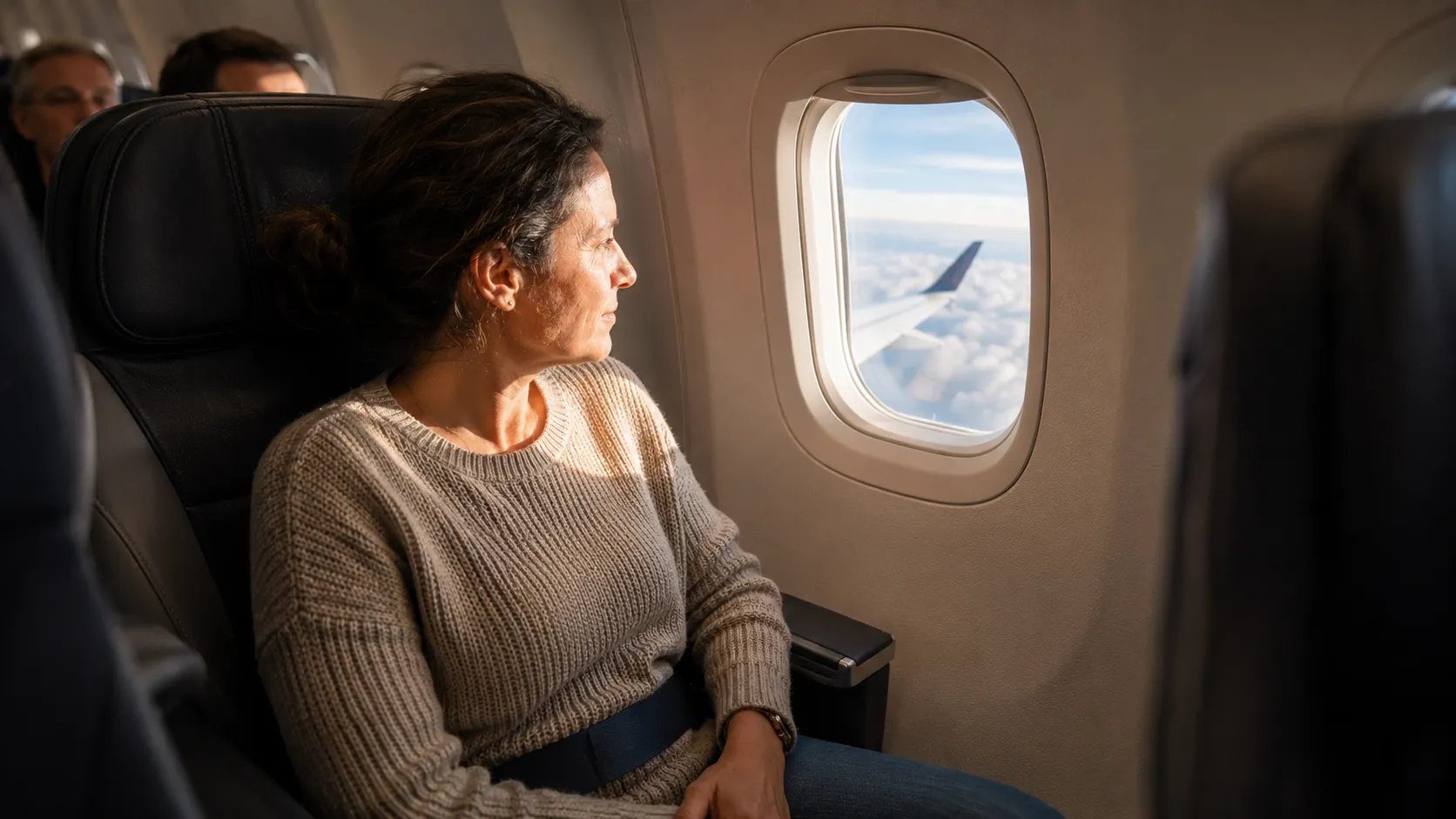
Quick Takeaways
- Being a passenger indicates you may feel a lack of control over your current life direction.
- The dream represents a rapid transition between different phases of your personal or spiritual growth.
- Internal symbols are deeply personal, and these experiences do not predict literal future events.
Waking up from a dream where you are soaring through the clouds can leave a deep impression on your morning. You might feel a lingering sense of weightlessness or a sudden wave of anxiety about where you are heading. If you regularly experience dreams about flying in a plane as a passenger, your subconscious mind is likely addressing how you handle control, transitions, and trust in your waking life. These nighttime narratives offer a unique lens into your inner thoughts and spiritual development. By examining the specific details of your flight, you can better understand the emotional currents driving your daily choices. This article will explain the psychological, spiritual, and symbolic meanings behind these common aerial experiences.
Our sleeping minds process massive amounts of emotional data every single night. When you look at the sky in a dream state, you are dealing with high perspectives and wide horizons. This specific guide explores every angle of your passenger flight experience to bring you ultimate clarity.
Decoding the Symbolism of the Airplane Journey
Airplanes represent collective travel, high perspectives, and rapid movement. Unlike driving a car or riding a bicycle, flying involves a massive machine that lifts thousands of feet into the sky. This extreme elevation symbolizes a massive shift in perspective. It allows you to view your life from a grander, detached viewpoint. When you look down from a great height in a dream, your mind is often trying to see the bigger picture of a situation. You are rising above daily frustrations to look at long-term goals. This high altitude can represent your ideals, high ambitions, or a desire for spiritual expansion.
Vehicles in dreams generally represent how we move through our waking life. For instance, dreams about trains often signify fixed paths, shared societal tracks, or rigid schedules. An airplane, however, suggests a fast-paced transition that crosses vast distances in a short period. It marks a total departure from your current ground reality. The absolute speed of an airplane shows that your internal growth or external life changes are happening very quickly. You are moving from one stable state of being to another with immense momentum.
The infrastructure of an airport also carries deep symbolic weight. Being at a gate represents waiting for your life to change. Walking down a jet bridge signifies the point of no return. Once you cross that threshold, you commit to the journey ahead. The entire process of aviation emphasizes preparation, patience, and eventual elevation. If you spend a large portion of your dream waiting to board, your mind is focused on the anticipation of change rather than the change itself.
Why You Have Dreams About Flying in a Plane as a Passenger
The core meaning of this dream rests on your specific role during the flight. You are not the pilot. You are sitting in the cabin, relying entirely on someone else to keep the aircraft airborne. This passivity is the most critical element to analyze. It reflects your relationship with autonomy and dependency.
Relinquishing Control to Others
Sitting in a passenger seat often reflects a waking scenario where you have handed over decision-making power. You might feel that your career, relationship, or financial choices are being directed by an outside force. This force could be a dominant family member, a corporate supervisor, or even societal expectations. Your dream highlights this lack of agency, showing that you are merely along for the ride. It serves as a visual manifestation of your passive stance in a major area of your life.
Sometimes, this surrender of control is entirely voluntary. You might be exhausted from managing every single detail of your daily routine. In those moments, your mind creates a passenger scenario to allow you to rest. It shows the beauty of letting someone else handle the heavy lifting. However, if you feel angry or restless in the seat, it means you are tolerating a situation where your voice is being completely ignored.
Trust and Vulnerability
Being a passenger requires an immense amount of trust. You place your safety in the hands of an unseen pilot and a complex mechanical system. If the flight in your dream feels peaceful, it suggests you are comfortable trusting the process of life. You have accepted that you cannot control every single outcome. If the flight feels terrifying, it reveals a deep-seated fear of vulnerability and a reluctance to trust others.
Vulnerability is a necessary part of human connection and personal progress. When you enter an aircraft, you accept that your survival depends on collective effort. This can mirror how you interact with your support systems awake. Are you able to let your guard down and let friends or partners support you? Or do you feel an urgent need to micromanage everyone around you to ensure your own emotional safety? Your reaction to the flight answers these questions clearly.
The Role of Your Deeper Mind
Your inner awareness uses these vivid scenarios to mirror your emotional state. According to the concepts surrounding the role of the subconscious mind in dream generation, these symbols are highly efficient communication tools. Your mind creates an airplane cabin to illustrate feelings of confinement or shared destiny that you might ignore while awake. It forces you to sit with your true feelings without any daily distractions.
The mind processes unexpressed emotions while the body rests. If you suppress your fears about a major career shift during the day, those anxieties take flight at night. The airplane becomes a safe containment vessel for your deepest psychological material. It allows you to experience the sensation of rapid change without facing physical consequences.
Analyzing the Dream Framework
In his book, Dreams: The Magic of the Night, author Kenneth Gray presents a helpful methodology for categorizing our sleeping experiences. He suggests that dreams can be divided into basic dreams, deep or archetypal dreams, and visions. Understanding where your passenger flight fits within this framework can change how you interpret its message.

Book About Dreams
The Magic of the Night
This book is perfect for anyone seeking to understand the messages and meanings hidden in their dream life. It offers a clear framework for interpreting dreams with real examples and thoughtful insights.
Get the Book- Based on personal dream journals
- Step-by-step interpretations
- Perfect for dream seekers
Basic Passenger Dreams
A basic dream involves everyday objects and familiar settings. In this context, you might dream of sitting on a standard commercial airliner that looks exactly like a plane you flew on last year. The actions are mundane, like eating a small snack or reading a magazine in your seat. Kenneth Gray notes that even though these look ordinary on the surface, a meaningful message is always waiting to be discovered. A basic flight dream usually points directly to your current weekly routine or a specific project at your job.
Deep or Archetypal Flights
A deep or archetypal dream introduces cosmic, universal, or highly unusual symbols. If your passenger plane is flying through space, or if the pilot is a historical figure, you are dealing with an archetype. These dreams tap into the collective human experience. Flying in an extraordinary vessel suggests a massive shift in your entire worldview. It transcends your daily ego concerns and addresses your place in the wider universe.
Flight Visions and Lucid States
The third category involves intense clarity and total awareness. If you wake up inside the dream and realize you are dreaming while sitting in the cabin, you are experiencing a lucid state or a vision. Kenneth Gray describes these experiences as moments that bring complete wakefulness even though your body remains still. A flight vision carries immense spiritual weight. It often delivers a direct revelation about your ultimate purpose or a major truth you need to accept.
Psychological Perspectives: Control and Trust
Modern psychology views dreams as a processing mechanism for the emotional challenges we face during our waking hours. Pioneers of psychoanalysis believed that every element of a dream represents a different aspect of the self. Therefore, the airplane, the pilot, and the other passengers are all parts of your own psyche.
When you analyze this from a therapeutic viewpoint, the pilot represents your inner executive function. If the pilot is competent, your logical mind is successfully managing your life. If the pilot is reckless or missing, it indicates a disconnect between your conscious goals and your emotional actions. You might feel that your impulses are driving you toward a situation that your logical mind wants to avoid.
Psychologists also look at the concept of locus of control. People with an internal locus of control believe they command their own destiny. Those with an external locus of control feel that outside forces dictate their success. Experiencing regular dreams about flying in a plane as a passenger can suggest a temporary shift toward an external locus of control. It is an invitation to reclaim your personal power and start making active choices again.
To understand the broader scientific theories behind these mental processes, you can read more about why do we dream a scientific and psychological guide. This context helps demystify the biological patterns that trigger vivid imagery during your sleep cycles.
Spiritual and Symbolic Perspectives on Air Travel
Many people look for deeper alignment when analyzing their sleep experiences. While modern aircraft did not exist in ancient times, the core principles of flight, wind, and sky appear throughout historical spiritual texts.
Seeking Divine Timing and Surrender
In a spiritual context, being a passenger can mean you are learning to surrender to divine timing. You are recognizing that a higher power or a broader cosmic law is guiding your path. Instead of fighting to steer the vehicle, you are being asked to rest and allow the journey to unfold. This aligns with the idea that our spiritual development follows an intentional, structured path. It teaches the value of holy passivity, which is the ability to wait gracefully for the next instruction.
Surrender is often misunderstood as giving up. In spiritual traditions, true surrender is an act of supreme courage. It means you have enough faith to let go of the steering wheel when the path ahead is cloudy. Sitting peacefully in the cabin shows that you are aligned with your higher calling. You trust that even if you cannot see the destination, the source guiding your life knows exactly where to land.
The Metaphysical View of Flight
From a metaphysical standpoint, rising into the air represents an elevated state of consciousness. It can indicate that you are undergoing a period of inner awakening. You are leaving behind dense, material worries and moving toward a lighter, more integrated understanding of yourself. You can explore more about these elevated states in this guide to vivid dreams’ spiritual meaning.
When you elevate your perspective, your problems shrink in size. A massive obstacle on the ground looks like a speck from ten thousand feet. This dream reminds you that your current worries are temporary. By rising above the immediate noise of your environment, you can connect with a deeper sense of peace and cosmic order.
To explore how these symbols connect to historical and sacred contexts, you can browse a dedicated biblical dream symbols dictionary. These resources help bridge the gap between ancient themes and modern symbols like aviation.
Common Flight Scenarios and Interpretations
The emotional tone and specific events during your dream flight change the overall message. Reflecting on these variations helps pinpoint what your mind is processing.
| Dream Scenario | Core Psychological Meaning | Actionable Reflection |
|---|---|---|
| A Smooth, Peaceful Flight | Acceptance of your current life path and trust in your choices. | Acknowledge your peace and maintain your current direction. |
| Severe Turbulence | Emotional instability, anxiety, or unexpected external disruptions. | Identify what is causing stress in your waking routine. |
| An Inability to Find Your Seat | Feelings of displacement, confusion, or a lack of belonging. | Evaluate if you feel valued in your career or social groups. |
| Flying with Strangers | A sense of shared destiny with a community or the public. | Consider how your actions impact the people around you. |
| The Plane Flying Too Low | Ambitions that are restricted by fear or a lack of confidence. | Look for areas where you are holding yourself back. |
| Looking Out the Window | A desire for objective observation and clarity from a distance. | Step back from an argument to see all sides clearly. |
| An Unexpected Emergency Landing | A sudden realization that a current plan needs immediate revision. | Check your ongoing projects for hidden flaws or errors. |
Each scenario serves as a direct mirror for your internal world. For example, experiencing turbulence does not mean a literal crisis is coming to your physical life. Instead, it shows that you currently feel anxious about factors outside your immediate influence. If your dream takes a darker turn, analyzing the plane crash dream meaning can help you unpack deep fears of failure or sudden life changes.
Step-by-Step Guide to Interpreting Your Passenger Flight Dream
Interpreting your own nighttime imagery is a highly personal process. No outside source can give you a definitive answer without your own reflection. Use these structured steps to explore your passenger flight experience.
Step 1: Document the Emotional Tone Immediately
Write down your dream immediately upon waking up. Focus heavily on how you felt while sitting in that passenger seat. Were you relaxed, terrified, bored, or excited? The emotion is the true anchor of the message. A relaxed passenger is practicing healthy surrender. A terrified passenger is struggling with a lack of personal control. Do not modify your description to sound logical. Capture the raw feelings exactly as they occurred.
Step 2: Identify the Parallel Waking Situation
Look at your current life circumstances with absolute honesty. Where do you feel like a passenger right now? Look at your workplace, your primary relationship, or a family dilemma. Determine if you have willingly stepped back from the controls, or if you feel forced out of the pilot’s seat. Pinpointing this parallel allows you to apply the dream’s wisdom directly to your reality.
Step 3: Examine the Other Characters in the Cabin
Pay close attention to who is sitting next to you or who is flying the plane. If a coworker is piloting the plane may suggest that your professional life is taking center stage. When a family member appears as the flight attendant, the dream may highlight domestic dynamics. An empty cockpit, however, can reflect a sense that your life is moving forward without clear leadership or direction.
Step 4: Connect the Imagery with Universal Concept Frameworks
In corporate or cultural settings, we often look at universal associations. A door represents opportunity, while an airplane represents collective transition. Combine these general symbols with your specific intuition to find a meaning that resonates with your core truth. You can learn more about this balanced process by reading about standard dream interpretation methods.
Common Misunderstandings About Flight Dreams
A major misconception is that dreaming about being a passenger means you are weak or passive. This is incorrect. Stepping back to let someone else drive is often a sign of high maturity. It shows you know when to collaborate and when to rely on specialized expertise. No one can pilot every single vehicle in their life simultaneously. Learning to be a good passenger is a vital skill for teamwork and community living.
Another mistake is believing these dreams are literal warnings about future travel plans. Dreams speak in a language of metaphors and emotional symbols. They reflect your current internal state rather than projecting future physical accidents. Treat the airplane as an ongoing conversation with your inner self, not a literal prediction of an aviation disaster.
Finally, do not assume that a negative emotion in a dream equals a negative outcome awake. Feeling scared during flight turbulence simply means you are processing stress. It is a healthy clearing of emotional debris. It allows your waking mind to approach problems with a lighter, cleaner slate.
Conclusion
Experiencing dreams about flying in a plane as a passenger serves as a powerful call to evaluate your relationship with control. Whether you are enjoying a smooth ride or enduring severe turbulence, your mind is asking you to look at where you place your trust. You are being invited to examine who is truly steering your life path.
Remember that dream analysis is an ongoing journey of self-discovery that requires patience and openness. Each symbol is a gift meant to expand your personal awareness and deepen your understanding of your life purpose. Kenneth Gray emphasizes that working with your dreams can reveal unknown strengths and hidden potential. If you want to keep exploring the fascinating world of subconscious imagery, you can find more insights on the official collection of Kenneth Gray’s blogs. Take time to sit with your reflections, listen to your intuition, and let your inner wisdom guide your next steps.
Frequently Asked Questions
What does it mean to dream about flying in a plane as a passenger and feeling trapped?
Feeling trapped in an airplane cabin highlights a waking situation where you feel locked into a specific path. You cannot easily exit a flying plane, which mirrors a sense of confinement in a job, a contract, or a long-term relationship. Your mind is urging you to address these feelings of restriction before they cause deeper waking stress. It is a sign that you need to reevaluate your commitments.
Is it a bad sign if the plane in my dream experiences heavy turbulence?
Turbulence is not a bad omen or a literal warning of danger. It simply reflects your current emotional state or a feeling of instability in your daily routine. This imagery indicates that you are experiencing a chaotic transition or feeling stressed by external events that you cannot directly control. It encourages you to find your inner calm despite outward chaos.
What if I recognize the pilot flying the plane in my dream?
If you know the pilot, your relationship with that specific person is central to the interpretation. It suggests that you are allowing them to dictate the direction of a shared project, a family matter, or your personal choices. Consider whether this arrangement brings you peace or causes hidden resentment. It may be time to have an open conversation about boundaries.
Why do I keep having recurring dreams about missing my flight?
Missing a flight typically signifies a fear of lost opportunities or a feeling that you are falling behind in life. It can point to anxiety about deadlines, major life milestones, or a hesitation to take a necessary leap of faith. Your subconscious is encouraging you to examine what is causing you to delay important decisions. It reminds you to prepare early for the shifts you want to see.
Can a passenger flight dream indicate a spiritual awakening?
Rising high into the sky is a classic symbol of achieving an elevated perspective and expanding your consciousness. It often indicates that you are moving beyond material worries and opening up to deeper spiritual truths. Being a passenger emphasizes that this awakening is a process of surrender rather than forceful control. It shows you are ready to receive guidance from a higher source.
