

Quick Takeaways
- Dying in a dream usually reflects stress, fear, change, or emotional processing rather than a literal prediction.
- How you died, how you felt, and what is happening in waking life matter more than any fixed dream symbol.
- One disturbing dream is rarely alarming, but frequent nightmares that disrupt sleep or daily life deserve professional attention.
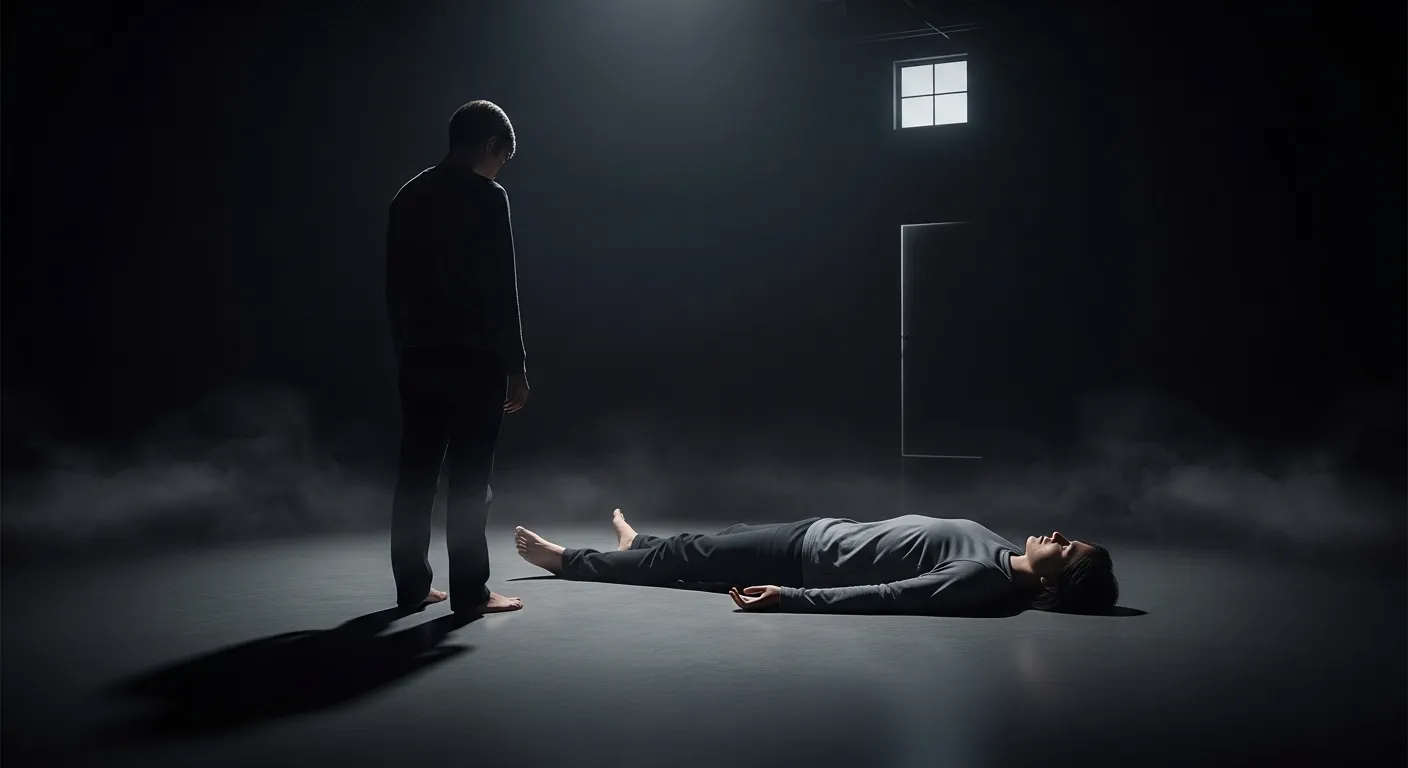
Waking from a dream in which you die can leave you frightened and unusually aware of your mortality. You may wonder, “What does it mean if you die in your dream, and should I be worried?” In most cases, the dream is not a forecast. It may reflect a transition, unresolved fear, emotional overload, grief, or the mind’s response to experiences that feel important.
Death imagery is powerful, but it does not have one universal meaning. A useful interpretation considers the dream’s emotions, details, and connection to your current life.
What Does It Mean If You Die in Your Dream?
Dying in a dream can represent the end of a role, habit, relationship, belief, or stage of life. It may also express fear of losing control, anxiety about change, concern about health, or distress connected to trauma.
Research does not support a fixed dream dictionary in which every death scene means the same thing. Dream studies suggest that waking experiences, especially emotionally significant ones, often appear in altered form during sleep. This is sometimes called the continuity hypothesis of dreaming.
Instead of asking only, “What does death symbolize?” ask, “What feels as though it is ending, changing, threatened, or beyond my control?”
Why a Dream About Dying Can Feel So Real
Nightmares can produce intense fear, a racing heart, sweating, and a strong sense of danger after waking. Vivid dreaming is especially associated with rapid eye movement, or REM, sleep, although dreams can occur in other stages.
Dreaming also appears to relate to the processing of emotional memory. Research suggests that sleep and dreaming may help the brain work with emotional experiences, although scientists are still studying the exact purpose of dreams.
This helps explain why a dream can feel emotionally true even when its events are impossible. It may not describe what will happen. It may dramatize how something already feels.
For a broader explanation, see why we dream from scientific and psychological perspectives.
Seven Possible Meanings of Dying in a Dream
These are possibilities, not diagnoses or predictions. Your personal associations should guide the meaning.
1. You Are Going Through a Major Transition
Death is an ending, so the image may appear when one phase of life is closing. A graduation, job change, move, breakup, retirement, or change in family responsibilities can create this kind of dream.
Even positive transitions can involve grief. Becoming someone new may mean leaving an older identity behind.
2. You Feel Powerless or Out of Control
A sudden or violent dream death may reflect a situation that feels unpredictable. You might be under pressure, trapped in conflict, worried about money, or unable to influence an important decision.
Notice who or what caused the death. A person may represent an actual relationship, but they can also stand for pressure, criticism, authority, or another quality you associate with them.
3. Stress or Burnout Is Overwhelming You
Stress, anxiety, sleep deprivation, trauma, and major life events can contribute to nightmares. When the nervous system remains activated, the sleeping mind may create scenes of danger, injury, pursuit, or death.
A drowning death may remind you of emotional overload, while being trapped may resemble the pressure of too many demands. These are not fixed translations, but they can help you identify what needs attention.
Understanding the role of the subconscious mind may help you consider why fears appear indirectly.
4. You Are Confronting Fear of Mortality
Sometimes the simplest interpretation is the most relevant. Illness, aging, bereavement, medical tests, frightening news, or a recent conversation about death may influence dream content.
The dream may not contain a hidden message. It may simply be your mind rehearsing a fear that has become more emotionally present.
5. An Old Identity or Pattern Is Ending
A death dream may reflect a habit, belief, or self-image that no longer fits. Perhaps you are becoming more independent, setting boundaries, recovering from a difficult period, or questioning assumptions you once accepted.
Kenneth Gray’s Dreams: The Magic of the Night presents dreams as personal experiences that can encourage self-understanding and spiritual awareness. It also treats death, graves, and funerals as possible images for the ending of an established state of consciousness when something new is emerging. This is a spiritual interpretation, not a scientifically proven rule, but it can be useful when it fits the dreamer’s life.

Book About Dreams
The Magic of the Night
This book is perfect for anyone seeking to understand the messages and meanings hidden in their dream life. It offers a clear framework for interpreting dreams with real examples and thoughtful insights.
Get the Book- Based on personal dream journals
- Step-by-step interpretations
- Perfect for dream seekers
6. You Are Processing Grief or Relationship Change
Death dreams can appear after losing someone, fearing separation, or sensing that a relationship is changing. The “death” may refer to the end of closeness, trust, a shared routine, or a former version of the relationship.
When another living person dies in the dream, the image is more useful as a prompt for reflection than as a prediction. See what it can mean to dream about someone dying who is still alive.
7. You Associate Death With Spiritual Renewal
In many religious and personal traditions, death can symbolize surrender, rebirth, awakening, or passage into a new state. A peaceful death followed by light, calm, or return to life may feel very different from a terrifying attack.
A spiritual interpretation should remain personal. Explore the spiritual meaning of vivid dreams without assuming that every intense dream is supernatural.
How the Details of the Death Dream May Change Its Meaning
| Dream detail | Possible theme to explore | Question to ask yourself |
|---|---|---|
| Dying peacefully | Acceptance, release, completion | What am I ready to let go of? |
| Being murdered | Powerlessness, conflict, violated boundaries | Where do I feel attacked or controlled? |
| Dying in an accident | Fear of sudden change | What currently feels unpredictable? |
| Drowning | Emotional overload | Which feelings are difficult to contain? |
| Watching yourself die | Distance from an old identity | Which version of myself no longer feels familiar? |
| Dying and returning to life | Recovery, resilience, renewal | What part of my life is beginning again? |
These associations are starting points. A person who loves swimming may experience a drowning dream differently from someone who fears water. Personal meaning takes priority over a generic interpretation.
How to Interpret a Dream About Your Own Death
1. Record the Dream Before It Fades
Write down the setting, people, cause of death, final moment, and what happened afterward. Dream memories can fade quickly, so even short notes are useful. The guide on how to remember dreams offers practical recall techniques.
Avoid rewriting the dream into a cleaner story. Strange details may carry the strongest personal associations.
2. Name the Strongest Emotion
You may have felt afraid, relieved, angry, betrayed, calm, curious, or detached. The emotion often provides a better clue than the death itself.
Relief may point to release, while panic may suggest vulnerability, resistance, or loss of control.
3. Connect It to Recent Waking Life
Review recent changes, conflicts, illnesses, endings, deadlines, conversations, and media. Dream content often incorporates recent experiences, especially those with emotional intensity.
4. Identify Your Personal Associations
Ask what the cause of death, location, and people mean to you. A hospital could represent fear for one person and healing for another.
Do not accept an interpretation merely because it sounds dramatic. A useful explanation should connect naturally with your experience.
5. Look for Patterns
One dream may reflect a difficult day. Repeated dreams may point to a continuing concern, especially when the same emotion returns.
A recurring dream cycle tracker can help you compare triggers, emotions, and changes over time.
6. Choose One Grounded Response
You might have an overdue conversation, set a boundary, address grief, reduce evening stress, or make time to rest. Avoid making major decisions solely because of a dream. Use it as one source of reflection alongside facts and sound judgment.
What Death Dreams Do Not Mean
A dream about dying does not prove that you, a relative, or another person will die. Scientific evidence for dreams predicting future events remains limited, and coincidence does not establish a reliable connection.
It also does not mean you are cursed, secretly want to die, or will die if the dream reaches its final moment. Dream imagery can be extreme without reflecting an intention or future action.
When Recurring Death Dreams Need More Attention
Occasional nightmares are common. Speak with a doctor, sleep specialist, or mental health professional when death dreams occur frequently, persist, make you afraid to sleep, cause significant daytime distress, or begin after trauma.
Nightmare disorder is considered when disturbing dreams repeatedly affect sleep or daily functioning. Treatment depends on the cause and may include stress management, counseling, sleep-focused care, or imagery rehearsal approaches.
Seek immediate support if the dream is accompanied by waking thoughts of self-harm, suicide, or harming another person. The dream itself is not proof of intent, but waking safety concerns should be taken seriously.
Final Thoughts on What It Means If You Die in Your Dream
What does it mean if you die in your dream? It may reflect a transition, emotional strain, fear of mortality, loss of control, grief, or the ending of an old identity. It may also hold spiritual meaning for you, but no interpretation should be treated as certain simply because the imagery is intense.
Start with the emotion, connect it to your current life, and notice whether the dream repeats. A death dream is usually more useful as a question about your inner life than as a warning about your future.
Sources
- National Institute of Neurological Disorders and Stroke, Understanding Sleep.
- Scarpelli and colleagues, “The Functional Role of Dreaming in Emotional Processes.”
- Horton, “Consciousness across Sleep and Wake.”
- Mayo Clinic, “Nightmare Disorder: Symptoms and Causes.”
- American Academy of Sleep Medicine, “Position Paper for the Treatment of Nightmare Disorder in Adults.”
Frequently Asked Questions
Is it bad if I die in my dream and wake up scared?
No. A frightening death dream usually reflects an intense emotional experience during sleep, not an approaching event. Consider recent stress, change, health concerns, grief, or media exposure before assigning a symbolic meaning.
Can dying in a dream predict my real death?
There is no reliable scientific evidence that a death dream predicts when or how a person will die. Treat the dream as an emotional or personal experience rather than a prophecy.
What does it mean if I die and come back to life in a dream?
This pattern may suggest recovery, renewed confidence, a second chance, or the beginning of a different phase. It can also be a dramatic dream narrative without a deeper message; compare the interpretation to your current circumstances.
Why do I keep having dreams where I die in different ways?
Recurring death dreams may be linked to unresolved stress, trauma, anxiety, or a continuing life transition. Track the emotions and waking triggers, and seek guidance if the dreams disturb your sleep or daily functioning.
Does dying in a dream have a spiritual meaning?
It can, depending on your beliefs and personal experience. Some people understand dream death as surrender, transformation, or spiritual renewal, but this remains an interpretation rather than scientific proof.
